Other Areas of Practice
Alongside a dedicated focus on the unique needs of healthcare professionals, my practice is deeply rooted in specialized care for individuals facing complex life challenges. I specialize in trauma recovery, substance use concerns, and perinatal mental health. If any of these areas resonate with your current lived experience, you are in the right place.

Perinatal Mental Health
Did you know? Maternal mental health (MMH) conditions are the most common complication of pregnancy and birth, affecting 800,000 families each year in the U.S. -Maternal Mental Health Leadership Alliance
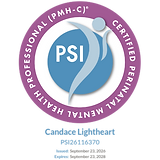
Navigating the transition into parenthood is a profound, beautiful, and often overwhelming shift. My approach to supporting mothers, fathers, partners, and co-parents is shaped by my own lived experiences as a parent, specialized training and certification with Postpartum Support International (PSI), and my participation as a 2026 University of North Carolina Maternal Mental Health Matters Fellow. Additionally, it is rooted in years of direct medical social work and therapeutic services for the perinatal population across clinic, outpatient, and hospital settings. Whether you are dealing with postpartum anxiety, depression, or the identity shift of bringing a baby home, I provide an authentic, judgment-free space to help you cultivate your own peace and well-being while parenting.
Finding Your Path to Recovery-My dedication to supporting individuals navigating substance use challenges comes from a deeply personal place, shaped by witnessing the profound impact addiction can have on individuals and their loved ones. Through my work as a social worker, I've seen firsthand the emotional, physical, and financial devastation that often accompanies addiction. These experiences fuel my passion and commitment to this field, as I believe that supporting one person in recovery creates ripples of healing that extend to families, friends, and entire communities.
I offer specialized care for those ready to embark on the path of recovery. I understand the complex relationship between mental health and substance use, and my approach is built on the deep belief that recovery requires self-compassion, unwavering support, practicing new strategies to manage challenging emotions and situations, and persistence – what I call Recovery in Action!
Anxiety, depression, and trauma often walk hand-in-hand with substance use concerns. My treatment approach is designed to address these interconnected realities. Let's work together to plan for success in your recovery journey, build resilience, find healing, and create a healthier you.
Traumatic Stress
Process, Reframe, Recover-Traumatic experiences can deeply impact our lives, often leaving lasting effects on our thoughts, feelings, and how we interact with the world. In a therapeutic context, trauma can be defined as an event, series of events, or set of circumstances that is experienced by an individual as physically or emotionally harmful or threatening, and that has lasting adverse effects on their functioning and well-being. Trauma stems from experiences that overwhelm our capacity to cope, leaving us feeling helpless, threatened, or deeply distressed, even if we don't immediately recognize them as "traumatic." I offer specialized support to help you navigate these experiences and find a path toward healing.
My approach to trauma therapy includes Cognitive Processing Therapy (CPT), and Eye Movement Desensitization and Reprocessing (EMDR), two highly effective, evidence-based treatments. While both help you heal from traumatic experiences, they work in distinct ways:
-
Cognitive Processing Therapy focuses on how trauma impacted your thinking. Together, we explore and reframe the painful beliefs or unhelpful thought patterns that developed due to traumatic experiences.
-
Eye Movement Desensitization and Reprocessing works directly with how memories are stored in the brain. Rather than relying on detailed talk therapy, EMDR gently engages both sides of your brain using alternating left-right eye movements, sounds, or light taps. This helps your brain naturally reprocess stuck memories so they lose their painful emotional charge. While widely known for trauma, EMDR is also highly effective for addressing other mental health concerns.